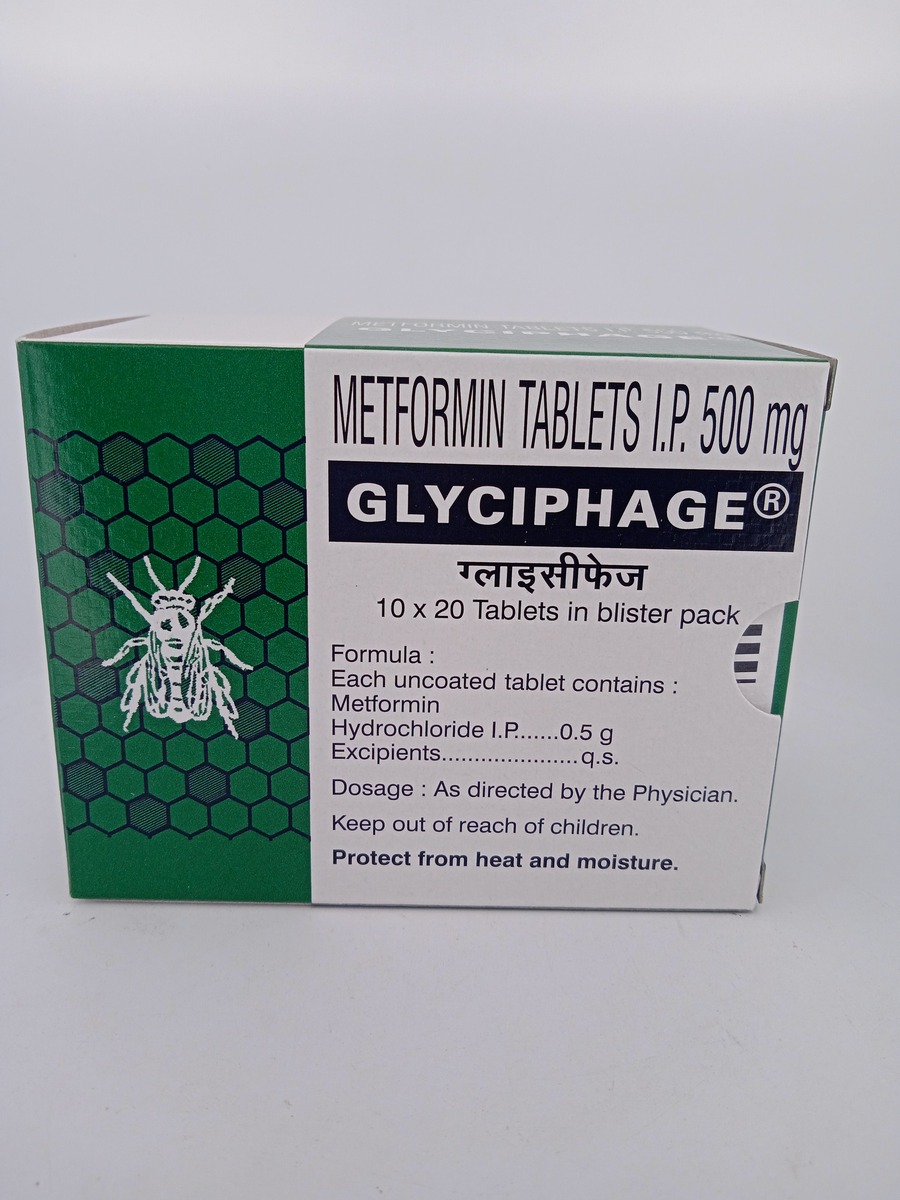
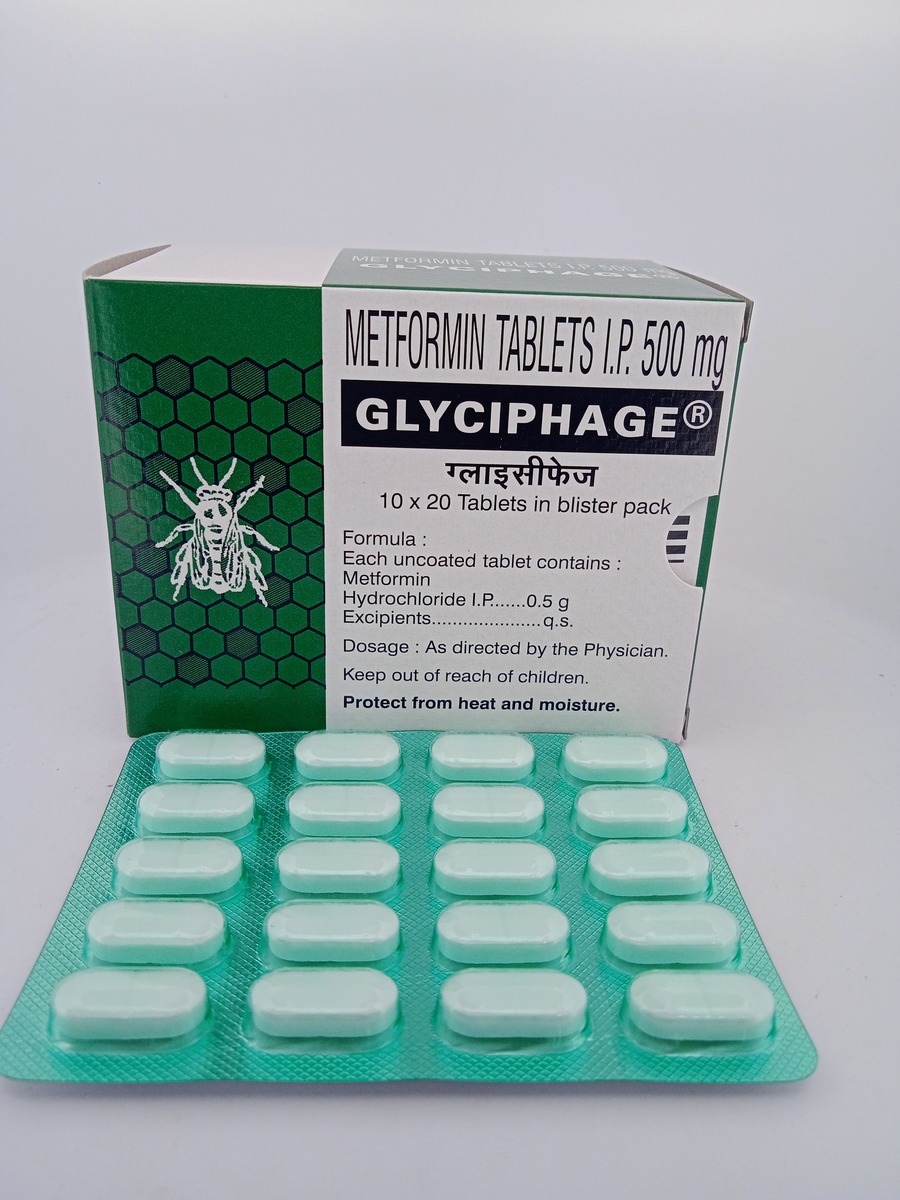
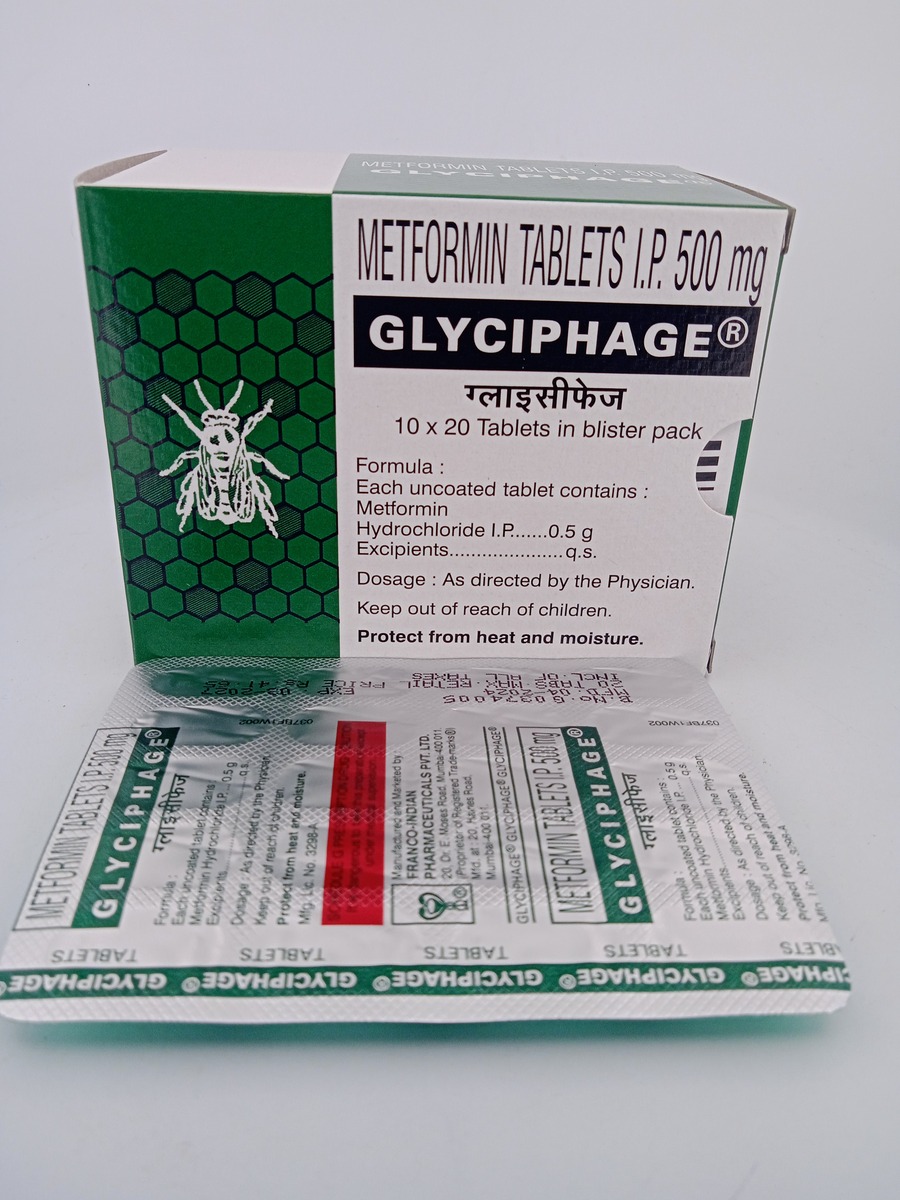
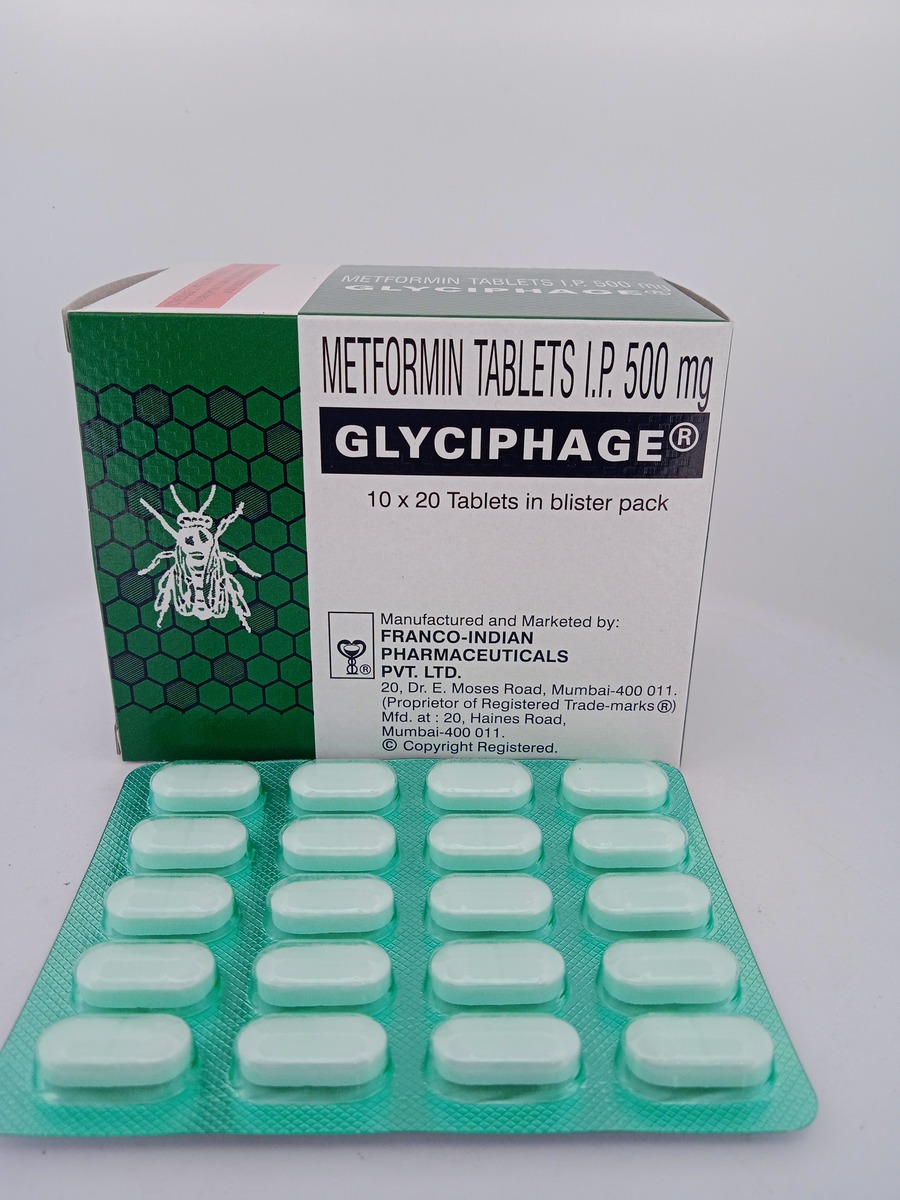
GLYCIPHAGE 500 MG 20 TABLETS | Metformin for Type 2 Diabetes
GLYCIPHAGE 500 MG 20 TABLETS contain Metformin Hydrochloride 500 mg, a prescription biguanide antidiabetic medicine used to improve blood sugar control in type 2 diabetes and manage insulin resistance in selected patients with PCOS.
GLYCIPHAGE 500 MG 20 TABLETS
GLYCIPHAGE 500 MG TABLETS (Metformin Hydrochloride 500 mg): Comprehensive Guide and Benefits
Introduction to GLYCIPHAGE 500 MG TABLETS
Biguanide Antidiabetic Medicine for Type 2 Diabetes
GLYCIPHAGE 500 MG TABLETS contain Metformin Hydrochloride 500 mg, a prescription biguanide antidiabetic medicine used to improve blood sugar control in adults with type 2 diabetes mellitus. It is prescribed alongside a healthy diet and regular exercise and may also be used in selected women with polycystic ovary syndrome (PCOS) to improve insulin sensitivity when recommended by a healthcare professional.
Prescription Status: Prescription-only medicine.
Key Benefits of GLYCIPHAGE 500 MG TABLETS
Helps lower and maintain healthy blood glucose levels.
Improves the body's sensitivity to insulin.
Reduces glucose production by the liver.
Helps reduce the risk of diabetes-related complications with long-term use.
May improve insulin resistance associated with PCOS.
Composition
Active Ingredient:
Metformin Hydrochloride 500 mg
Drug Class: Biguanide Antidiabetic Agent.
How GLYCIPHAGE 500 MG Works
Metformin lowers blood glucose by reducing glucose production in the liver, decreasing intestinal absorption of glucose, and improving the body's response to insulin. It does not stimulate insulin secretion, so when used alone it has a low risk of causing hypoglycemia.
Usage Instructions
Take exactly as prescribed by your doctor.
Take the tablet with or immediately after food to minimize stomach upset.
Swallow the tablet whole with water.
Take it at the same time each day.
Continue treatment unless your doctor advises otherwise.
Medicinal Advantages
First-line treatment for type 2 diabetes.
Improves long-term blood glucose control.
Low risk of hypoglycemia when used alone.
Helps improve insulin sensitivity.
Supports diabetes management when combined with diet and exercise.
Mechanism of Action
Metformin activates AMP-activated protein kinase (AMPK), reducing hepatic glucose production while improving peripheral glucose uptake and decreasing intestinal glucose absorption, resulting in improved glycemic control.
Off-Label Uses
Healthcare professionals may prescribe Metformin for:
Polycystic ovary syndrome (PCOS).
Prediabetes in selected individuals.
Insulin resistance associated with metabolic disorders.
These uses should be based on individual clinical assessment.
Expert Advice
Maintain a healthy diabetic diet and exercise regularly.
Monitor blood glucose as advised.
Avoid excessive alcohol consumption.
Inform your doctor before undergoing surgery or contrast imaging procedures.
Attend regular kidney function and vitamin B12 monitoring if recommended.
Precautions
Kidney Disease
Do not use in patients with severe kidney impairment due to an increased risk of lactic acidosis. Kidney function should be assessed before and during treatment.
Liver Disease
Use cautiously in patients with liver disease, as liver impairment may increase the risk of lactic acidosis.
Pregnancy and Breastfeeding
Consult your healthcare provider before taking this medicine during pregnancy or breastfeeding. Treatment decisions should be individualized.
Alcohol
Avoid excessive alcohol intake while taking Metformin because it may increase the risk of lactic acidosis.
Drug Interactions
Inform your doctor if you are taking:
Insulin or other antidiabetic medicines.
Corticosteroids.
Diuretics.
ACE inhibitors.
Iodinated contrast agents.
Alcohol-containing medicines.
Possible Side Effects
Common side effects include:
Nausea.
Diarrhea.
Vomiting.
Abdominal discomfort.
Metallic taste.
Loss of appetite.
Headache.
Seek immediate medical attention if you develop symptoms of lactic acidosis, such as severe weakness, rapid breathing, persistent vomiting, unusual muscle pain, or extreme drowsiness.
Storage Instructions
Store below 30°C.
Keep in the original packaging.
Protect from moisture and direct sunlight.
Keep out of reach of children.
Frequently Asked Questions (FAQs)
Q: What is GLYCIPHAGE 500 MG used for?
A: It is primarily used to improve blood sugar control in adults with type 2 diabetes mellitus. It may also be prescribed for selected women with PCOS.
Q: What is the active ingredient in GLYCIPHAGE 500 MG?
A: Each tablet contains Metformin Hydrochloride 500 mg.
Q: Should GLYCIPHAGE 500 MG be taken with food?
A: Yes. Taking it with meals helps reduce stomach-related side effects such as nausea and diarrhea.
Q: Can GLYCIPHAGE 500 MG cause low blood sugar?
A: When used alone, Metformin rarely causes hypoglycemia. However, the risk increases when it is combined with insulin or certain other antidiabetic medicines.
Q: Who manufactures GLYCIPHAGE 500 MG?
A: GLYCIPHAGE 500 MG TABLETS are manufactured and marketed by Franco-Indian Pharmaceuticals Pvt. Ltd.
Product Tags
GLYCIPHAGE 500 MG 20 TABLETS, Metformin Hydrochloride 500 mg, Biguanide, Type 2 Diabetes Medicine, Blood Sugar Control, Antidiabetic Tablet, PCOS Treatment, Prescription Medicine, Franco-Indian Pharmaceuticals Pvt. Ltd., Diabetes Management.